Why Temperature Sensor Selection Fails in HVAC BMS Projects: 4 Hidden Design Risks & Field-Proven Solutions
Jun 17, 2026In modern Building Management Systems (BMS), temperature sensing is a primary cause of performance failure, not a trivial component choice. For HVAC engineers working on commercial buildings, data centers, or healthcare facilities, sensor selection directly impacts system stability, commissioning timelines, and long-term operational costs. Yet, it remains one of the most underestimated aspects of BMS design. This article dissects four hidden design risks—mechanical fit, signal compatibility, moisture ingress, and response time—and provides field-proven engineering solutions for each.
A sensor’s electrical properties are useless if it cannot be physically installed. This is the most common, yet most overlooked, pitfall.
The Problem: Standard rigid immersion sensors often fail in retrofit projects. In one multi-zone office complex , engineers initially specified standard sensors for chilled water monitoring. During installation, pipe geometry and limited straight insertion lengths made proper placement impossible without compromising flow integrity. The issue was mechanical, not electrical.
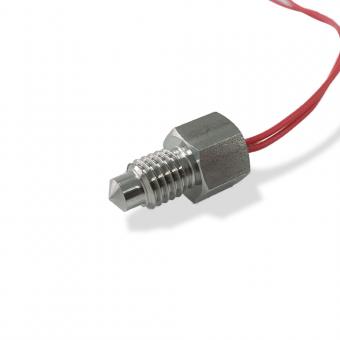
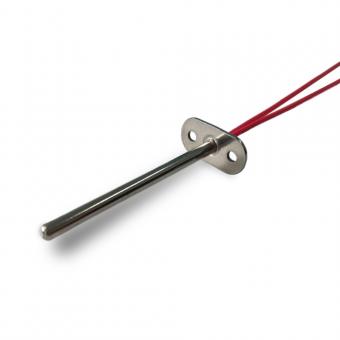
The Solution: Transition to adjustable insertion probes with sliding compression fittings and reduced thermal mass tips. This change reduced commissioning delays significantly and improved response time during load fluctuations, particularly during morning startup cycles where chilled water temperature stratification is most pronounced.
Inconsistent signal types between sensors and controllers are a major source of integration delays and calibration errors. According to a 2023 ASHRAE Journal article on BMS interoperability, up to 40% of commissioning issues in large projects stem from signal mismatch.
The Problem: A healthcare HVAC upgrade encountered recurring calibration mismatches between AHU discharge air sensors and VAV box controllers . The root cause was inconsistent scaling between resistance-based sensors and analog input modules from different vendors. This introduced unnecessary signal conditioning hardware, increasing both cost and failure points.
The Solution: Standardize on calibrated digital-output temperature sensors with defined linearization curves. This eliminates the need for scaling and conditioning, streamlining commissioning and improving zone temperature balancing.
[Bar chart comparing commissioning time (hours) for analog vs. digital sensor systems in a mixed-vendor BMS environment]
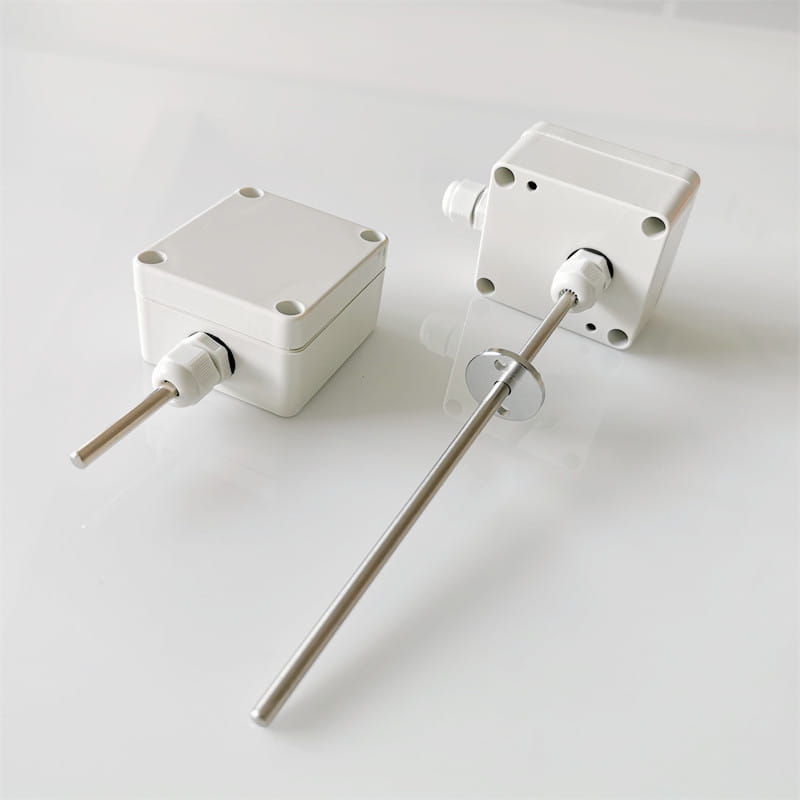
The enclosure is as important as the sensing element. In humid environments, even minor sealing inconsistencies can lead to signal drift that is difficult to diagnose.
The Problem: In several field cases , intermittent temperature spikes were initially misinterpreted as controller logic issues. Root cause analysis traced the instability back to moisture ingress in sensor junction housings combined with thermal cycling stress on terminal blocks. This is particularly common in coastal commercial buildings and rooftop units.
The Solution: Upgrade to fully sealed IP-rated housings with improved cable gland design and internal strain management. After this upgrade, signal stability improved and false alarms in the BMS were eliminated.
In high-variability systems like labs or cleanrooms, even a few seconds of sensing delay can cause overshoot and oscillatory control behavior.
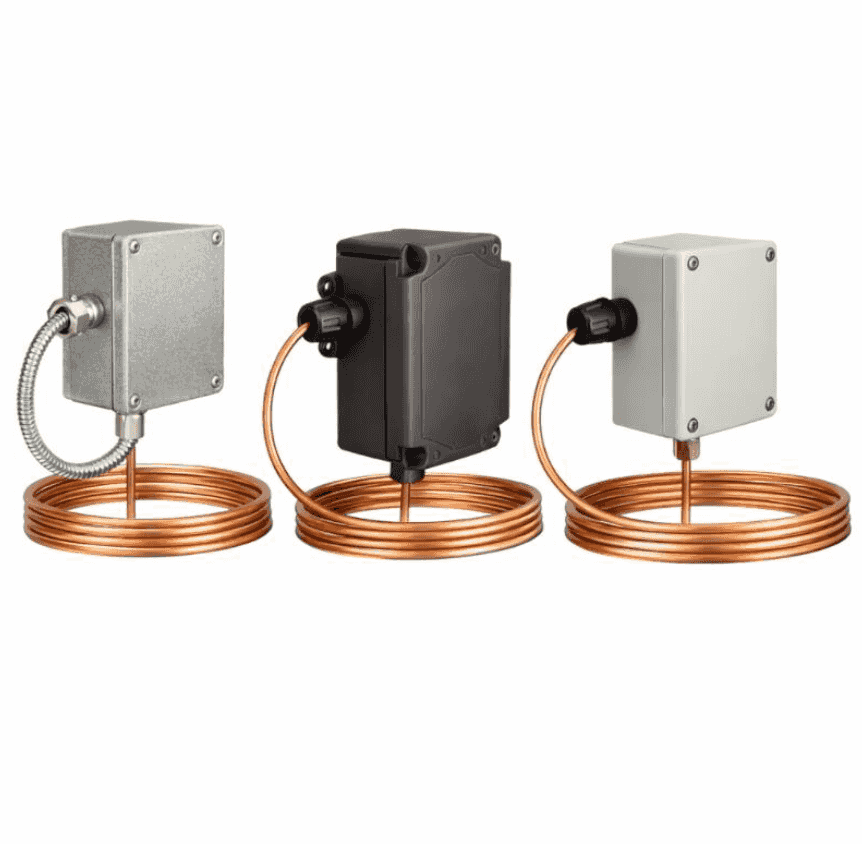
The Problem: In a controlled laboratory HVAC environment, rapid exhaust modulation was required during process transitions. Initial deployment of standard stainless-steel sheath sensors resulted in delayed feedback, causing oscillatory control behavior. The high thermal mass of the housing introduced lag that destabilized the tightly tuned PID loop.
The Solution: Transition to reduced-mass tip designs with optimized thermal conductivity paths. This improved control loop stability and reduced system overshoot without retuning the entire BMS logic.
Q: What is the most important specification for a BMS temperature sensor? A: It depends on the application, but for most projects, the combination of long-term stability (low drift over years) and signal compatibility (digital output for mixed-vendor systems) is paramount.
Q: How often should BMS temperature sensors be recalibrated? A: Recalibration intervals depend on the sensor type and application. For critical environments (labs, data centers), annual recalibration is recommended. For general commercial HVAC, every 2-3 years is typical. Refer to the manufacturer’s specifications.
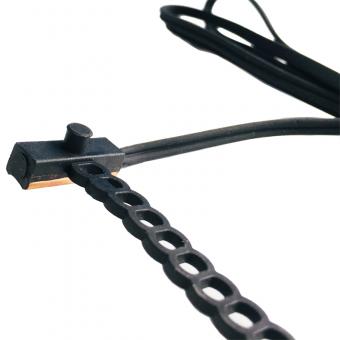
Q: What is the best sensor type for a retrofit project? A: An adjustable insertion probe or a surface-mount sensor with a low thermal mass is recommended. This provides flexibility for varied pipe geometries without requiring a full mechanical redesign.
Temperature sensors are no longer passive measurement devices—they are active stability components within BMS control architecture. Their mechanical design, signal integrity, installation flexibility, and long-term drift behavior directly influence HVAC efficiency, occupant comfort, and operational cost. As building systems evolve toward higher automation density and tighter energy optimization requirements, sensor specification must be shifted earlier into the design validation phase.
For engineers, the key question is no longer simply “what temperature range is required,” but rather “how will this sensing node behave under real environmental stress, installation constraints, and multi-year control feedback cycles?”
[ Explore our range of BMS temperature sensors →】
[Read our guide on BMS design best practices → 】
No.1 XiSan Road, Electromechanical Industry Park , High&New Tech.Zone. Hefei,Anhui,China
teléfono : +86-551-69109668
Whatsapp : +86-13339100504
Email : info@focusens.com
Skype : melodyliu520






 +86-551-69109668